How do you spot a puppy farm or puppy scam?
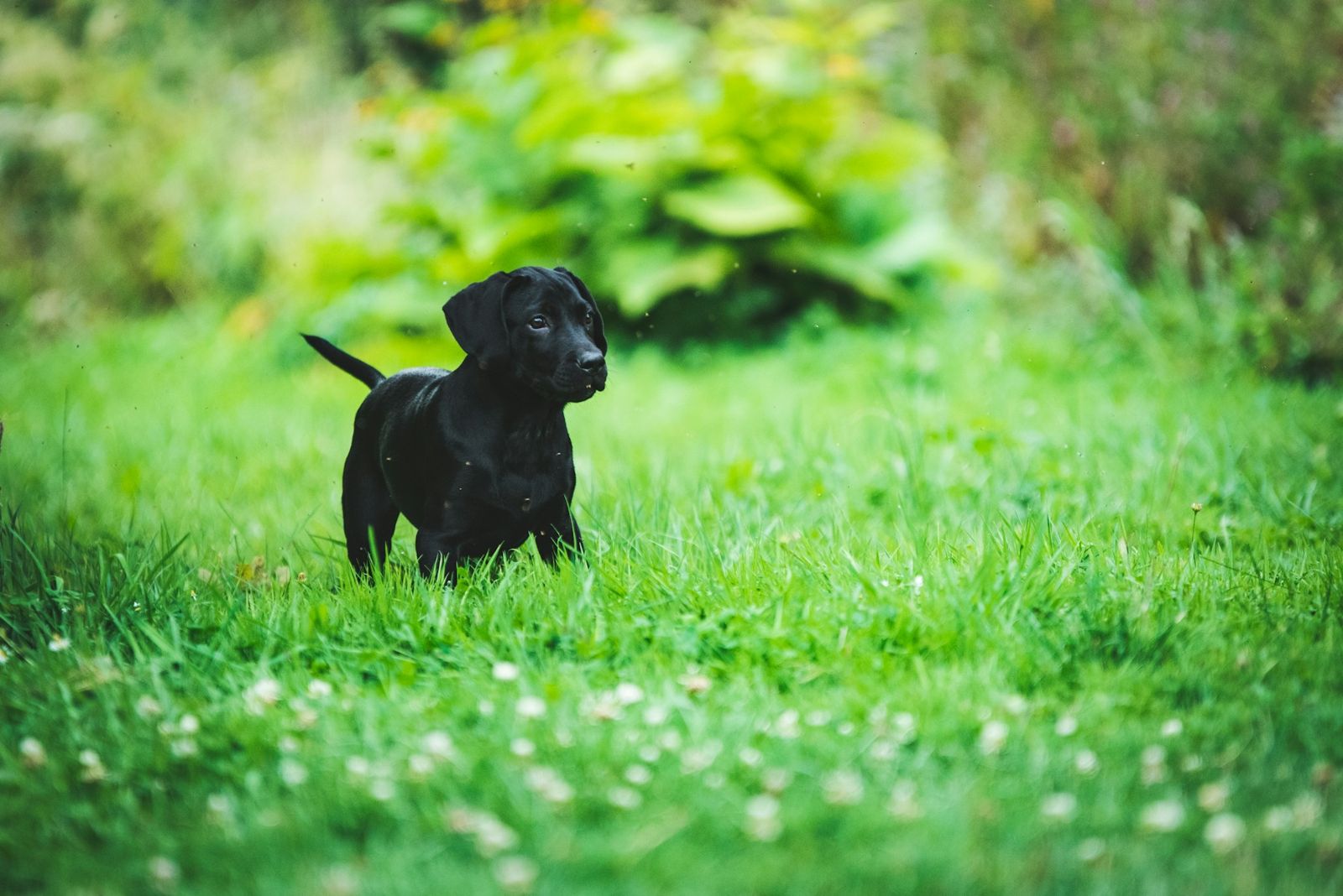
The clearest signs of a puppy farm or scam are a seller who won't let you see the puppy with its mother at home, a puppy offered before 8 weeks, no licence number or health records, and pressure to pay quickly.
In this guide you'll learn the warning signs in adverts and on visits, the government's simple checklist, and what to do if something feels wrong.
Labradors are the UK's most popular pedigree breed, which makes them a target for people breeding for profit.
What is a puppy farm?
A puppy farm is a breeder that produces large numbers of puppies for profit with little care for their health or welfare.
The puppies are often sold through dealers, adverts or meeting points so buyers never see where they were bred.
A puppy dealer is someone who sells puppies they did not breed, which is banned in England and Wales. See the law on selling puppies.
What does the government's S.P.O.T. checklist say?
The UK government's Petfished campaign gives four checks to make before you buy.
| Check | What to do |
|---|---|
| Seller | Search the seller's name and phone number online, and be wary of anyone with several adverts. |
| Parent | See the puppy at home, with its mother. |
| Old enough | Make sure the puppy is at least 8 weeks old. |
| Treatment | Ask to see health and vaccination records. |
When the campaign launched, 27% of UK cat and dog owners said they had seen a suspicious seller or advert when buying their last pet.
What are the warning signs in an advert?
Many problems can be spotted before you ever visit.
- No licence number where the seller is breeding as a business or selling several litters.
- Several breeds or colours on offer, or "any colour, breed or sex you want".
- "Ready to go now" or puppies advertised under 8 weeks old.
- A "pet passport" mentioned, which GOV.UK says can be a sign the puppy was imported.
- Vague health claims with no certificates for the parents.
- Pressure to pay before you have met the seller and seen the puppy in person.
What are the warning signs on a visit?
Trust what you see more than what you are told.
- The mother is missing, or is said to be at the vet's or asleep elsewhere.
- You are asked to meet in a car park, at motorway services or out of a van.
- The seller won't discuss health or can't show records.
- You feel rushed to pay or take the puppy on your first visit.
- The puppies look unwell, with dull eyes, a runny nose, dirty ears or visible ribs, which Dogs Trust says are reasons to walk away.
The Royal Kennel Club also advises against buying a puppy around Christmas, as most responsible breeders avoid it.
Should you buy a puppy to rescue it?
No, buying a puppy from a farm or dealer to "rescue" it pays for more puppies to be bred in the same conditions.
It's better to walk away and report the seller.
What should you do if you suspect a puppy farm or scam?
Don't pay, and report what you have seen.
- Animal welfare concerns can be reported to the RSPCA, or to the local council that licenses breeders.
- Fraud, such as a deposit taken for a puppy that doesn't exist, can be reported to Action Fraud (now Report Fraud) on 0300 123 2040.
- An immediate risk to people or animals should go to the police.
Next, see the questions to ask a genuine breeder.